
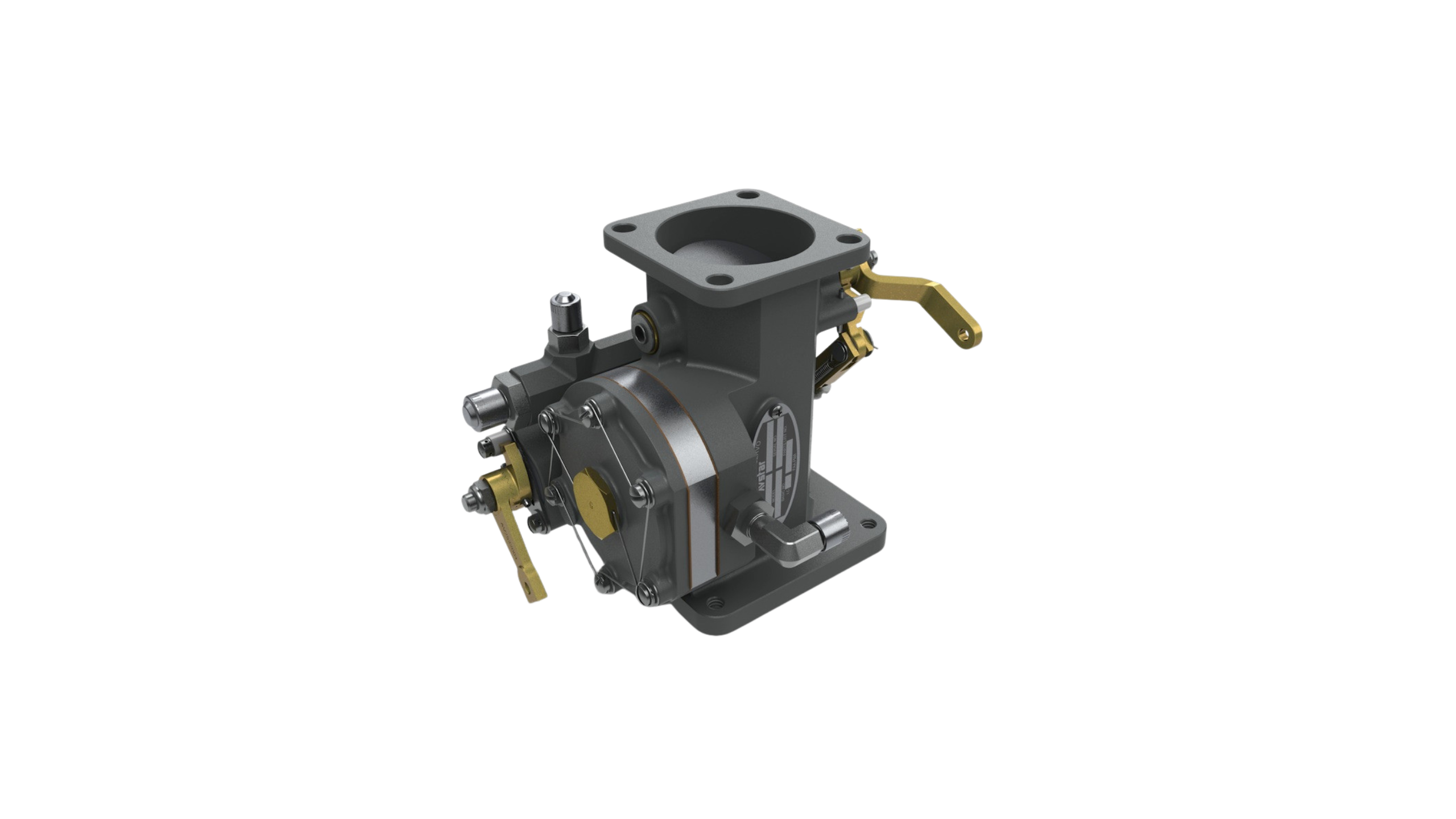
Understanding Aircraft Fuel Injection Systems: How They Work, Common Issues, and When to Upgrade
May 31st, 2026Posted by Cristhian Vera
An aircraft fuel injection system delivers metered fuel under pressure directly to each cylinder, replacing the venturi-driven approach used in carbureted engines. This design typically improves throttle response and fuel delivery consistency across changing altitudes and temperatures. However, fuel injection does not eliminate variability entirely. Cylinder-to-cylinder fuel distribution can still differ depending on injector condition, calibration accuracy, and maintenance history. Fuel injection also introduces distinct operational considerations, including sensitivity to fuel contamination, hot-start difficulty caused by fuel vapor, and greater dependence on consistent system pressure. For pilots and maintenance personnel, understanding how these systems actually behave in service is essential to safe, efficient operation.
What Is an Aircraft Fuel Injection System?
An aircraft fuel injection system is a pressurized fuel delivery method that meters and distributes fuel to each cylinder independently, rather than relying on airflow through a venturi to draw fuel into the intake stream. Fuel is routed from the aircraft’s tanks through a boost pump or engine-driven pump, passes through filtration, and reaches a fuel control unit or servo that meters delivery based on airflow and throttle position. From there, fuel travels to individual injector nozzles at each cylinder.
Because air and fuel remain separate until they enter the intake port, the system allows more direct control of fuel delivery than a carburetor provides. That said, mixture accuracy still depends on proper airflow measurement, correct calibration, and pilot technique during operation.
How Does a Fuel Injection System Differ from a Carburetor?
In a carbureted system, fuel enters the airstream through a venturi, where reduced pressure draws fuel into the mixture. This ties fuel delivery directly to airflow behavior and can produce uneven mixture distribution between cylinders. In a fuel injection system, fuel is delivered under pressure and metered independently of the venturi effect, which can provide more consistent delivery across changing operating conditions.
The trade-off is that fuel injection introduces additional system complexity. It requires cleaner fuel, more precise maintenance, and careful management of fuel pressure and temperature. Neither system is universally superior. Each has strengths and limitations depending on the aircraft, mission profile, and maintenance environment.
What Are the Operational Characteristics of Fuel Injection?
Fuel injection systems typically provide more consistent throttle response and more direct mixture control during climb and cruise. They tend to maintain more stable fuel delivery as altitude, temperature, and atmospheric pressure change during flight.
At the same time, fuel-injected engines are more sensitive to contamination within the fuel system, require deliberate management during hot starts due to residual heat and fuel vapor, and can experience vapor lock under certain temperature and pressure conditions. These characteristics are inherent to the system design and represent normal operational considerations, not defects. For a detailed look at how these factors play out in a specific airframe, see our guide to Cessna 172 fuel system configurations.
What Can Go Wrong with an Aircraft Fuel Injection System?
Fuel injection systems depend on stable fuel pressure and clean fuel delivery to function correctly. The most common issues include partially restricted injector nozzles, worn seals or diaphragms inside the fuel control unit, degraded fuel pump performance affecting pressure stability, and gradual calibration drift over time.
Even minor changes in flow rate or fuel pressure can affect mixture distribution, cylinder head temperatures, and engine smoothness. Regular inspection and proactive maintenance are critical to keeping the system within acceptable performance parameters. AVStar provides technical support and service documentation for all fuel system components currently in service.
When Should You Consider a Fuel Injection Upgrade?
A fuel injection upgrade may be worth evaluating when an aircraft requires more consistent fuel delivery across a wide range of altitudes and temperatures, when improved mixture control is a priority for the mission profile, or when the existing carburetor system is creating persistent operational limitations.
Any upgrade decision should account for compatibility with the airframe and engine, quality of the installation, and availability of long-term maintenance and product support. The fuel injection system itself does not determine performance outcomes. The quality of the overall installation and ongoing maintenance approach does. Browse AVStar fuel injection systems to evaluate options for your engine application.
Fuel Injection Considerations for the Lycoming O-320
Fuel injection conversions for engines such as the Lycoming O-320 require careful evaluation of fuel system routing, airframe compatibility, and access to qualified maintenance support. Not all installations deliver the same results. Long-term reliability depends on proper initial setup, accurate calibration, and consistent maintenance practices over time. For more on how this engine is configured across different airframes, see our Cessna 172 fuel system guide, which covers both carbureted and fuel-injected O-320 and IO-360 variants.
Why Does Fuel Metering Accuracy Matter?
Fuel metering consistency directly affects combustion quality in every cylinder. When fuel distribution varies, the result can include uneven cylinder head temperatures, rough engine operation, increased fuel consumption, and reduced overall efficiency.
Understanding how fuel is delivered and distributed across cylinders helps operators interpret engine behavior more accurately and make better-informed decisions about maintenance intervals, operating technique, and system upgrades. AVStar’s components are precision-machined from 6061-T6 billet aluminum and individually flow-tested before shipment to support consistent fuel metering in service.
Bottom Line
An aircraft fuel injection system provides a more direct, pressure-driven method of fuel delivery and mixture control compared with a carburetor. It can deliver more consistent performance across a range of operating conditions, but it does not eliminate the need for proper pilot technique, regular maintenance, and correct system calibration.
The right fuel delivery system is the one that matches the aircraft’s mission, the operator’s expectations, and the maintenance support available. Explore AVStar fuel system products or contact the AVStar team for application-specific guidance.
Frequently Asked Questions
What causes uneven fuel distribution in a continuous-flow injection system?
Uneven fuel distribution in a continuous-flow injection system is typically caused by differences in injector nozzle flow rates, variations in intake airflow between cylinders, and minor inconsistencies in system pressure. Even a properly functioning system may not achieve perfectly equal fuel distribution across all cylinders.
Why does a fuel-injected engine run rich during climb?
A fuel-injected engine runs rich during climb because air density decreases with altitude faster than fuel flow decreases. Unless the pilot actively leans the mixture, the fuel-to-air ratio increases, producing a progressively richer condition as the aircraft gains altitude.
Can fuel injection systems experience vapor lock?
Yes. Fuel injection systems can experience vapor lock and other vapor-related issues, particularly during hot starts or when operating in high-temperature conditions. System design, fuel line routing, and pilot operating technique all influence how effectively vapor conditions are managed. See our FAQs page for more on fuel system operation and maintenance.
How do fuel injectors affect cylinder head temperatures?
Fuel injectors control the volume of fuel delivered to each cylinder. When injector flow rates vary, the air-fuel ratio differs between cylinders, which directly affects combustion temperature. Cylinders receiving less fuel run leaner and hotter, while those receiving more fuel run cooler.
Does fuel injection eliminate the need for mixture management?
No. Fuel injection provides more direct control over fuel delivery, but mixture management remains the pilot’s responsibility. Proper leaning technique is still required across different phases of flight and changing atmospheric conditions. For additional fuel system resources and technical guidance, visit the AVStar learning library.