
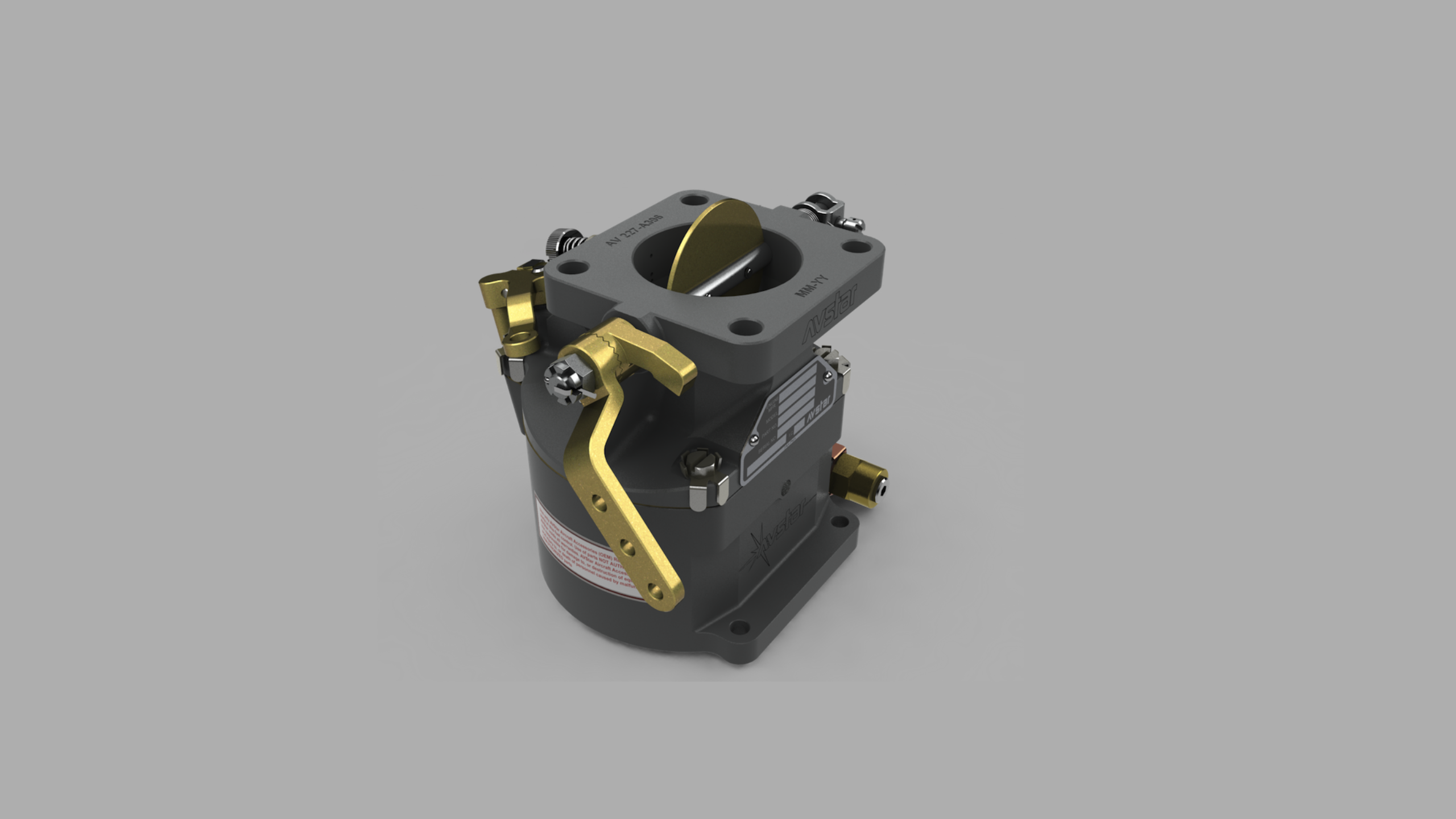
Aircraft Carburetor Types, Maintenance, and Overhaul: A Practical Guide
May 26th, 2026Posted by Cristhian Vera
If you work on piston-engine aircraft, the aircraft carburetor is one of the most frequently diagnosed and most frequently misunderstood components in the fuel system. It looks simple. In practice, its calibration tolerances are tight, its wear modes are predictable but easy to miss, and a carburetor that is slightly off spec can send a mechanic in the wrong direction for hours.
This guide covers what you need: how aircraft carburetors work, which designs dominate general aviation and why, how to recognize wear before it becomes a problem, and what a proper overhaul actually involves. It is written for working A&P mechanics and shop owners who need a reliable reference for maintenance planning and overhaul decisions.
What an Aircraft Carburetor Does
At its core, an aircraft carburetor meters fuel into the intake airflow using a venturi, a float chamber, and a series of calibrated jets and internal passages. As the engine draws air through the intake manifold, velocity through the venturi creates a pressure drop that pulls fuel from the float chamber. The carburetor then adjusts fuel flow based on throttle position, engine speed, and ambient air density to deliver an appropriate mixture across the operating range.
Unlike automotive carburetors, aircraft carburetors must perform reliably through unusual attitudes, wide temperature and altitude ranges, and rapid throttle transitions. They also need to resist icing, vapor lock, and mixture instability under conditions that do not apply to ground vehicles. That is why FAA-approved aircraft carburetors are built to tighter tolerances than their automotive counterparts, and why overhaul procedures require precision inspection and calibration rather than a clean-and-reinstall.
Main Types of Aircraft Carburetors in General Aviation
Three carburetor designs cover the large majority of piston-engine general aviation aircraft. Each has distinct strengths, limitations, and maintenance considerations.
Fixed venturi float carburetors are the most common in light singles. Aircraft like the Cessna 172, Piper Cherokee, and similar trainers rely on this design. A float chamber maintains a relatively constant fuel level, and a throttle butterfly modulates airflow in proportion to pilot input. The design is straightforward to overhaul and troubleshoot, but it carries a higher susceptibility to carburetor ice formation and to mixture errors under certain attitude conditions.
Pressure carburetors replace the float chamber with a fuel metering diaphragm and a pressurized fuel supply. This design handles negative-G conditions more reliably and is found on higher-performance and aerobatic aircraft. The trade-off is additional internal complexity: more calibration points, more potential failure modes, and a more demanding overhaul procedure.
Modern OEM and FAA PMA-approved aftermarket carburetors may blend elements of both designs, adding improved metering circuits, anti-icing features, or updated materials while maintaining compatibility with existing engine controls and airframe fuel systems. PMA-approved aftermarket carburetors must meet the same performance and airworthiness standards as the original equipment they replace.
How Carburetor Components Wear Over Time
Every aircraft carburetor is a collection of precision parts operating under continuous vibration, thermal cycling, and fuel chemistry exposure. Wear is not random; it follows predictable patterns that a methodical mechanic can anticipate.
The float and needle valve assembly is one of the first places to look. A float that has absorbed fuel becomes heavy, raises the fuel level in the bowl, and enriches the mixture across the power range. A worn or pitted needle valve produces fuel level instability, which shows up as a rough or surging idle. Throttle and mixture shaft bushings develop play over time, creating air leaks that lean the mixture unpredictably and degrade throttle response.
Internally, metering jets and small passages are vulnerable to partial plugging from fuel varnish, water contamination, and debris from tank corrosion. Even small changes in effective jet diameter shift cruise mixture, affect climb performance, or produce idle instability. In float-type carburetors, the throttle bore is also prone to wear in its lower portion, causing uneven response and mixture upset at reduced power settings.
Recognizing these wear patterns is what separates a mechanic who catches carburetor degradation early from one who chases symptoms until something fails.
When to Overhaul an Aircraft Carburetor
Carburetor overhaul is driven by a combination of engine time, operating environment, fuel quality, and symptom history. Specific overhaul intervals vary by manufacturer and model. Symptoms often dictate the actual need regardless of the calendar.
Common indicators that an aircraft carburetor is due for overhaul include erratic idle, roughness at specific power settings, inconsistent fuel flow readings, surge or hesitation on acceleration, and difficulty maintaining a stable mixture with the mixture control. Icing-related symptoms, including power loss in climb or roughness in humid conditions, can point to carburetor degradation rather than transient ice formation, particularly if carb heat provides only partial relief.
For shop planning, tying carburetor overhaul to top-end work or major inspection events reduces aircraft downtime and allows the full scope of fuel system maintenance to be addressed in a single visit.
Aircraft Carburetor Overhaul: Step by Step
Overhaul procedures vary by model, but the core sequence is consistent across most general aviation float-type carburetors.
After removal from the aircraft, the unit is tagged with its serial number and configuration for traceability. Full disassembly follows, with all components laid out for inspection. The float is checked for fuel absorption, warping, and correct seating against the needle valve. The needle valve itself is inspected for wear and pitting. Shaft and bushing play is measured, and any components outside tolerance are replaced.
Internal passages, metering jets, and orifices are cleaned using appropriate solvents. Ultrasonic cleaning is effective on many carburetor cores but requires care around delicate metering passages. After cleaning, the unit is reassembled with new seals, gaskets, and any parts called out in the overhaul manual. Float level is set precisely to the manufacturer’s specification, typically with the carburetor oriented to simulate operating position. Mixture calibration is verified against approved fuel flow and engine performance data.
Installation and post-overhaul ground run complete the process. The engine should be run through multiple power settings and mixture checks before the aircraft is returned to service. Any persistent roughness, surge, or anomalous fuel flow reading warrants a second inspection before sign-off.
Selecting the Right Carburetor and Overhaul Parts
Choosing overhaul components is not simply a matter of matching make and model. The quality of the parts you use directly affects how consistently the carburetor meters fuel across temperature and altitude variation.
When evaluating overhaul kits and replacement parts, the relevant questions are: Are the metering jets precision-calibrated to original spec? Are the seals and gaskets compatible with current fuel chemistry, including ethanol-blended fuels where applicable? Are the float and needle valve manufactured to tolerances that restore original float level characteristics?
For aircraft operating in high-altitude environments, high-density-altitude conditions, or out of strips with variable fuel quality, the choice of overhaul components carries more weight. Precision-machined components and corrosion-resistant materials make a measurable difference in how consistently the carburetor performs between inspection events.
FAA PMA approval on replacement parts is the baseline requirement. Shops sourcing overhaul kits should verify that all parts carry current FAA approval documentation, not just a general parts certificate.
Carburetor Maintenance Between Overhauls
Between overhauls, disciplined maintenance practices extend carburetor service life and improve in-flight reliability.
Fuel sump draining before each flight removes water accumulation before it reaches the carburetor bowl. Consistent use of quality fuel within the approved grade and additive specifications reduces varnish buildup in metering passages. Avoiding extended low-power operation with an excessively rich mixture limits internal contamination from incomplete combustion byproducts.
From a shop standpoint, the most valuable practice is systematic documentation. Logging idle quality, fuel flow readings, and any mixture-related adjustments across inspection events allows patterns to surface before they become symptoms. A carburetor drifting off calibration will appear in the records before it appears in the cockpit, if someone is paying attention.
AVStar: Manufacturer-Direct Carburetors for FAA-Certified Shops
AVStar is a manufacturer of FAA PMA-approved aircraft fuel system components, including carburetors for piston-engine general aviation aircraft. That distinction matters. AVStar designs and produces its own components rather than sourcing and relabeling parts from third-party suppliers. Every carburetor AVStar produces carries FAA PMA approval and is manufactured under AS9100 certification, the quality management standard for aerospace production.
For A&P mechanics and engine overhaul shops, sourcing directly from a manufacturer means direct access to engineering support, complete FAA documentation with every part, and a supplier that understands the compliance requirements you work under every day. There is no intermediary between the people who made the part and the people answering your technical questions.
AVStar carburetors are engineered for compatibility with standard Lycoming installations and are designed to match or exceed the performance characteristics of the original equipment they replace. Whether you are overhauling a worn float carburetor on a trainer, sourcing components for a shop bulk order, or evaluating options for a high-cycle aircraft, AVStar’s product line and technical team are built to support that work.
To review AVStar’s carburetor product line or discuss a specific application, contact the AVStar technical team directly or visit the carburetor product page at avstardirect.com.
Aircraft Carburetor Questions
How often should an aircraft carburetor be overhauled?
Overhaul intervals vary by carburetor model and manufacturer recommendation, and should always be cross-referenced with the applicable overhaul manual and engine manufacturer guidance. In practice, symptom-driven overhaul often occurs before a calendar or time interval is reached. If you are seeing erratic idle, mixture instability, inconsistent fuel flow, or roughness at specific power settings, the carburetor warrants inspection regardless of time since last overhaul.
What are the most common signs that a carburetor needs an overhaul?
The most frequently reported indicators are erratic idle quality, roughness or surge at partial power settings, difficulty maintaining a stable mixture, and inconsistent fuel flow across the operating range. A float that has absorbed fuel will enrich the mixture across all power settings. Worn needle valve seats produce idle instability. Partially plugged metering jets shift the mixture at specific power settings. Any of these symptoms in combination warrants a full disassembly and inspection rather than a cleaning attempt.
What is the difference between a float carburetor and a pressure carburetor?
A float carburetor uses a float chamber to maintain a constant fuel level and meters fuel through a venturi using atmospheric pressure differential. It is the most common design in light general aviation aircraft and is relatively straightforward to overhaul. A pressure carburetor replaces the float chamber with a diaphragm and metered pressurized fuel supply, which makes it more tolerant of negative-G and inverted flight conditions. Pressure carburetors are more complex to overhaul and are typically found on higher-performance and aerobatic aircraft.
Do FAA PMA carburetor parts meet the same airworthiness standards as OEM parts?
FAA PMA (Parts Manufacturer Approval) is a certification issued by the FAA that authorizes a manufacturer to produce specific replacement parts for type-certificated aircraft. PMA parts must meet the same performance and airworthiness standards as the OEM parts they replace. The key variable between PMA sources is the quality of materials, manufacturing tolerances, and the completeness of documentation practices. Shops should verify that PMA parts are accompanied by full FAA approval documentation and that the approving manufacturer operates under a recognized quality management system.
What causes carburetor ice, and how does it affect engine performance?
Carburetor ice forms when moisture in the intake air freezes at the venturi and throttle plate, where the pressure drop caused by airflow produces a significant temperature reduction, sometimes 30 to 40 degrees Fahrenheit below ambient. Ice accumulation restricts airflow, leans the mixture, and in severe cases can cause complete engine stoppage. Symptoms include gradual power reduction, rough running, and an rpm drop at fixed throttle settings. Application of carburetor heat introduces warm air to melt ice and restore normal airflow. Persistent or recurring icing episodes may also indicate a carburetor that is not sealing or metering correctly and should be inspected alongside standard carb heat troubleshooting.
Can a carburetor be cleaned without a full overhaul?
In some cases, a thorough cleaning can restore idle quality and smooth operation if the primary issue is varnish buildup or contamination in the metering passages rather than component wear. However, cleaning alone does not address worn floats, degraded needle valve seats, shaft bushing play, or bore wear, and it does not restore calibration. For any carburetor showing multiple symptoms or with significant time since last inspection, a full overhaul is the appropriate course. Cleaning as a stand-alone procedure is best reserved for a recently overhauled carburetor that has developed minor varnish deposits from fuel chemistry or extended storage.