
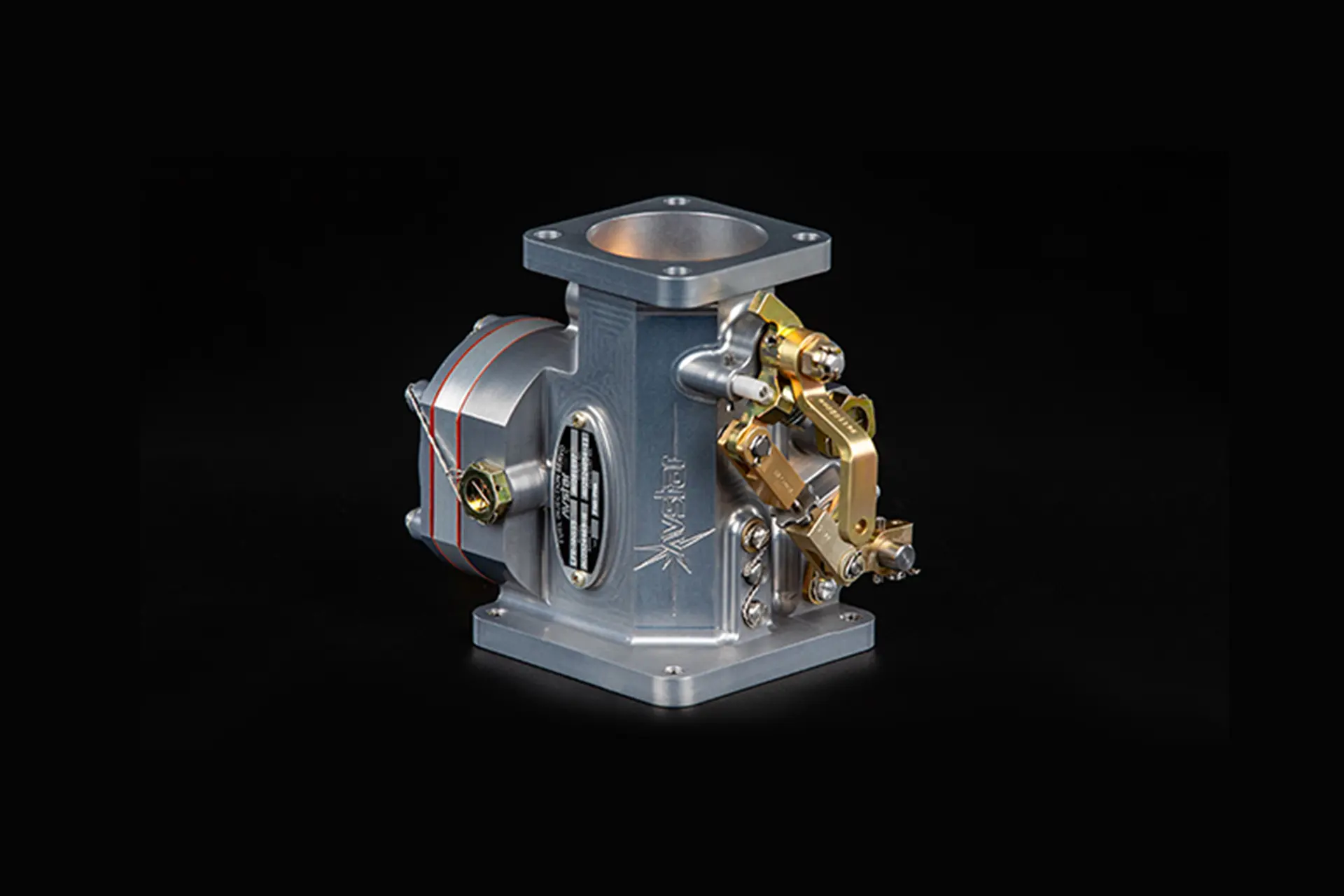
Vapor Lock and Hot Starts in Fuel Injected Engines
March 13th, 2026Posted by Cristhian Vera
Vapor Lock and Hot Starts in Fuel-Injected Aircraft Engines
Hot starts can be challenging in fuel-injected piston aircraft, particularly after shutdown in high ambient temperatures. In many cases, residual engine heat can raise fuel temperature in portions of the fuel system and contribute to vapor formation during ground operations. When that happens, restart quality may suffer. The result can be extended cranking, intermittent firing, rough initial light-off, or a no-start condition until the system is returned to a normal fuel-delivery state.
Lycoming identifies fuel vapor during warm-weather ground operations in fuel-injected engines as a recognized condition and provides additional vapor-purge guidance for those situations.
Understanding the difference between normal hot-weather restart behavior and a maintenance-related fuel system problem is important. Not every hard hot start points to a component defect. In many cases, the condition is influenced by heat soak, installation layout, operating environment, and whether the published aircraft starting procedure is followed correctly.
Lycoming also makes clear that where the aircraft manufacturer’s published procedure differs, the aircraft procedure governs.
What Vapor Lock Means in a Fuel-Injected System
In practical terms, vapor lock refers to fuel vapor forming in portions of the fuel system when temperature and pressure conditions allow liquid fuel to vaporize. In a continuous-flow fuel- injection system, stable fuel delivery is critical during restart. If vapor is present where the system is expecting liquid fuel, the restart mixture can become inconsistent, making hot starting more difficult.
This is one reason hot-start complaints should be discussed carefully. The underlying issue is not always a failed component. Sometimes the problem is procedural. Sometimes it is installation-related. Sometimes it reflects a combination of operating conditions, residual engine heat, and system layout that makes the engine more sensitive during restart.
Why Hot Starts Become More Difficult After Shutdown
Heat soak is a common contributor. After shutdown, heat from cylinders, exhaust components, and the engine compartment continues to transfer into nearby parts. If fuel lines, metering components, or related parts are exposed to sufficient residual heat, restart conditions may change noticeably compared with a cold start or an immediate restart after landing.
Lycoming’s vapor-purge guidance is specifically directed at warm-weather ground operations where these symptoms are encountered.
The severity of the condition can vary by aircraft and installation. Factors can include:
- under-cowl temperature
- fuel-line routing
- proximity to exhaust heat
- shielding condition
- ambient temperature
- time elapsed since shutdown
- the aircraft’s published starting procedure
That is why broad, one-size-fits-all conclusions should be avoided. Two aircraft with similar engines may not behave the same way on a hot ramp.
Normal Hot-Weather Behavior vs. Mechanical Defect
A hard hot start does not automatically indicate that a servo, pump, or flow divider has failed. Some restart difficulty after shutdown in high heat can be a normal operational characteristic of a given installation when the conditions are right.
That said, repeated or worsening hot-start complaints should not be dismissed. If the condition is becoming more frequent, more severe, or less responsive to the correct published procedure, it is appropriate to inspect the fuel system systematically.
From a maintenance standpoint, that means evaluating the installation and condition of the system rather than assuming the problem is only pilot technique.
Areas worth reviewing can include:
- fuel-line routing
- shielding
- hose condition
- support
- leakage
- cleanliness
- system setup
- component adjustment and maintenance
Why the Published Procedure Matters
Hot-start technique is not universal. Operators should use the starting procedure published for the aircraft and installation in question. Lycoming provides recommended vapor-purge guidance for fuel-injected engines during ground operations, but it also states that the aircraft manufacturer’s procedure should be followed where it differs.
That matters because generalized advice can create as many problems as it solves. Repeated trial-and-error inputs, excessive priming, or unnecessary cranking can complicate diagnosis and place additional load on the starter.
Lycoming also places limits on starter engagement intervals and cooling periods between attempts.
For operators, the safest approach is straightforward:
- Use the approved aircraft procedure.
- Avoid improvising with repeated uncontrolled inputs.
- If the problem persists, move from operation to inspection.
What Mechanics Should Inspect When Complaints Persist
When hot-start complaints become recurrent, the maintenance response should be disciplined and installation-specific. Instead of assuming a single root cause, the system should be evaluated as a whole.
Inspection may include:
- overall fuel-system condition
- routing and support of lines and hoses
- proximity to heat sources
- shielding and protection from radiant heat
- leakage or evidence of fuel staining
- condition of hoses and fittings
- cleanliness of the system
- adjustment and setup of installed components
- consistency with applicable engine, airframe, and component instructions
This is where process control matters. Reliable fuel-system performance does not come from assumptions. It comes from inspection, verification, and adherence to the applicable technical data.
Operational Takeaway
Vapor-related hot-start difficulty is a real and recognized condition in fuel-injected aircraft engines during warm-weather ground operations. It should be approached calmly and systematically.
The first question is whether the aircraft’s published procedure is being followed. The second is whether the installation or system condition warrants inspection.
Lycoming’s service instruction confirms that fuel vapor during ground operations is a recognized issue in injected engines and provides recommended vapor-purge guidance, while still deferring to aircraft-specific procedures where applicable.
In practice, reliable hot-start performance depends on three things:
- correct operating procedure
- proper system installation
- verified component and fuel-system condition
When those three are treated with the discipline they require, operators and mechanics are in a much better position to separate normal hot-weather behavior from a condition that needs corrective action.
Frequently Asked Questions
What is vapor lock in a fuel-injected aircraft engine?
Vapor lock refers to fuel vapor forming in portions of the fuel system when temperature and pressure conditions allow liquid fuel to vaporize. In a fuel-injected aircraft engine, that can interfere with normal fuel delivery during restart and contribute to a hard hot-start condition.
Is every hard hot start caused by vapor lock?
No. Hot-start difficulty can be influenced by procedure, installation, fuel-system condition, heat soak, or a combination of factors. A recurring complaint should be evaluated systematically rather than attributed to a single cause without inspection.
Should I follow a general hot-start method I found online?
No. Operators should follow the procedure published for the aircraft and installation. Lycoming provides vapor-purge guidance for certain ground-operation symptoms, but the aircraft manufacturer’s published procedure governs where it differs.
When should a mechanic inspect the system?
If the condition is recurring, worsening, or not resolved by the correct published procedure, the system should be inspected. Review should include routing, shielding, hose condition, leakage, setup, and overall compliance with the applicable technical instructions.