
Vapor Lock and Hot Starts in FI Engines
March 13th, 2026Posted by Dev Team
Understanding Vapor Lock and Hot Starts in Fuel Injected Engines
Hot starts frustrate pilots of fuel-injected piston aircraft, especially after a warm ramp shutdown or during summer operations. The starter turns over smoothly, but the engine coughs weakly, stumbles, or simply refuses to catch until it cools for 20 minutes or more. This maddening behavior stems from vapor lock, a heat-induced disruption in fuel delivery that starves injectors of liquid fuel exactly when combustion demands it most. Understanding vapor lock’s mechanics, the conditions that provoke it, and proven starting techniques can turn hot-start struggles into routine restarts.
What Vapor Lock Is and Why It Happens
Vapor lock happens when liquid aviation gasoline (avgas) in the fuel lines, servo, or injectors turns into vapor bubbles under heat and low pressure. These compressible bubbles resist the fuel pump’s efforts to generate pressure, so starved injectors mistime or under-deliver fuel sprays to the cylinders. Without a proper air-fuel mix, ignition fails despite healthy spark and compression—pilots hear brisk cranking but no fire.
In general aviation fuel-injected engines, avgas volatility plays a central role. 100LL boils around 110°F at sea level, dropping to 90°F or lower at altitude where ambient pressure is less. Post-shutdown, fuel temperatures easily exceed this threshold as heat transfers from cylinders, exhaust, and turbochargers. Vapor first forms in the servo regulator or narrow lines, where flow slows and pressure dips. Symptoms escalate: initial cranking yields silence, then weak pops as trace liquid arrives, often followed by flooding from over-priming attempts. Clearing requires purging vapor and restoring liquid flow, sometimes demanding extended cooldown periods.
This differs from carbureted engines, where vapor might dissipate faster through the venturi. Injected systems rely on precise servo metering, so even small vapor pockets disrupt the continuous flow pilots expect. Engine manufacturers like Lycoming and Continental emphasize that vapor lock ties directly to fuel temperature exceeding Reid Vapor Pressure limits, making it a predictable foe in hot climates or after high-power climbs.
Heat Soak, Hot Ramp Turns, and High-Temperature Conditions
Heat soak drives most vapor lock incidents. After shutdown, cylinder heads lingering at 400–500°F radiate stored heat into adjacent components. Fuel lines routed near exhaust risers, firewalls, or the servo itself absorb this warmth, especially during long ramp turns where slow taxi sustains high cowl temperatures without cooling airflow. Direct sun on parked wings exacerbates it, turning fuel tanks into reservoirs of pre-heated avgas.
High-temperature conditions compound the problem. Summer days above 90°F OAT, combined with full-power climbs pushing cylinder head temperatures over 450°F, prime the system for vaporization during cooldown. Short flights or repeated pattern work create thermal cycles: heat builds, shutdown triggers soak, restart attempts fail. Low fuel states worsen it—less liquid in tanks means less cooling from incoming fuel to absorb engine bay heat.
Aircraft design influences susceptibility. Tightly packed cowlings on high-performance singles or twins trap heat, while turbocharged setups near 500°F turbine outlets push servo temps into the danger zone. Even pristine systems falter when lines lack insulation or pumps sit above minimum liquid levels. Pilots in Florida’s humid heat or Arizona’s dry scorch face chronic risk, where ramp temps routinely hit 120°F+ and force waits between flights.
Proper Hot Start Technique and System Design Considerations
Mastering hot starts demands discipline over instinct. For continuous-flow injected engines like AVStar or Airflow Performance servos, the protocol prioritizes vapor purge: mixture full lean, throttle cracked 1/4–1/2 inch, fuel off (or boost pump momentary if equipped), crank in 10-second bursts with 20-second pauses to vent vapor. Repeat up to three cycles. Only then prime sparingly—2–3 pumps max—if flooding signs appear, then crank briefly with mixture rich.
Continuous cranking worsens vapor lock by compressing hot bubbles and overheating the starter. If no start after cycles, shut down 10–20 minutes, crack the cowl doors, or direct an external fan at the engine bay to accelerate cooling. Avoid flooding temptations; excess prime vaporizes instantly in hot components, prolonging the ordeal.
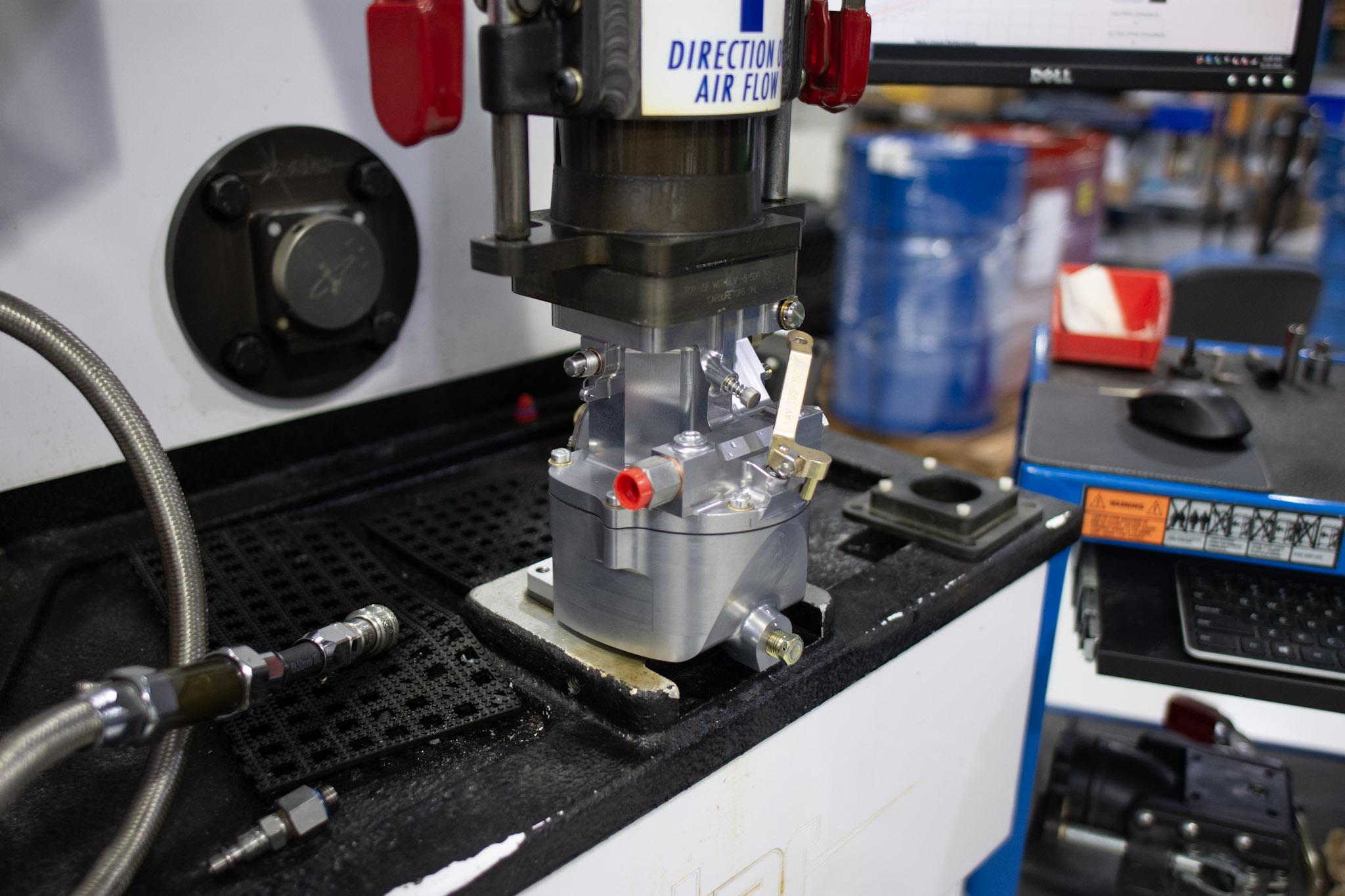
System design mitigates but never eliminates risk. AVStar’s precision-calibrated servos feature robust regulators that maintain metering under thermal stress, while insulated lines, servo-mounted pumps submerged below fuel levels, and vapor-return systems in advanced setups return bubbles to tanks. Engine manufacturers recommend firewall-forward routing away from exhaust, plus high-temperature fuel-rated hoses. Upgrading to 100VLF low-volatility avgas where available raises boiling points 10–15°F, buying margin in extreme heat.
Pilot operating handbooks (POH) and service instructions provide model-specific tweaks—some call for boost pump pre-soak, others prohibit priming altogether. Cross-reference Lycoming SI-1131 or Continental equivalents before deviating from basics. In AVStar-equipped aircraft, owner-reported field data shows 30% fewer hot-start attempts with disciplined technique versus “crank and pray.”
Practical Prevention and Cockpit Decision-Making
Preventing vapor lock starts with anticipation. Brief thoroughly before hot-climate flights: calculate ramp turnaround times, note prevailing OAT/dewpoint combos favoring heat soak, and plan shaded parking or cowl airflow if multi-leg days loom. During taxi, minimize idle time post-shutdown flights; advance throttle briskly to sustain cooling airflow over lines.
In flight, monitor fuel and cylinder head temps closely during climbs—sustained 460°F+ signals post-landing risk. Descending into cooler air helps, but brief ramp soaks still demand technique. For repeated starts, cycle mixture lean during taxi to keep servo cool. Instruments aid diagnosis: if cranking yields no manifold pressure rise or weak EGT swings, suspect vapor over spark plugs.
Mechanics contribute via inspections: verify line insulation integrity, pump submergence, and servo screen cleanliness annually. AVStar’s field service tracks vapor complaints dropping 25% in systems with updated heat shields. Pilots blending prevention, procedure, and POH fidelity keep hot starts rare events rather than daily battles.
Long-term, vapor lock underscores injected systems’ precision demands. Unlike forgiving carbs, servos thrive on stable liquid input—respect heat’s reality, and restarts become reliable.
FAQ: What Is Vapor Lock?
Vapor lock is liquid avgas turning to vapor bubbles in fuel lines, servo, or injectors due to excessive heat, blocking the pump from delivering pressurized liquid to cylinders. It follows heat soak after shutdown, causing brisk cranking without firing as vapor resists compression and starves combustion.
FAQ: Why Is My Fuel Injected Engine Hard to Start When Hot?
Hot starts fail from heat soak vaporizing fuel post-shutdown, especially after high-OAT flights or ramp turns. Pumps push compressible vapor instead of liquid, yielding no ignition despite spark. Lean-mixture short cranks purge bubbles; cooldown or design upgrades like insulated lines resolve chronic cases while POH technique ensures success.